Meditation Singing Bowls: A Complete Guide to Sound Healing, Benefits, Techniques & Daily Practice


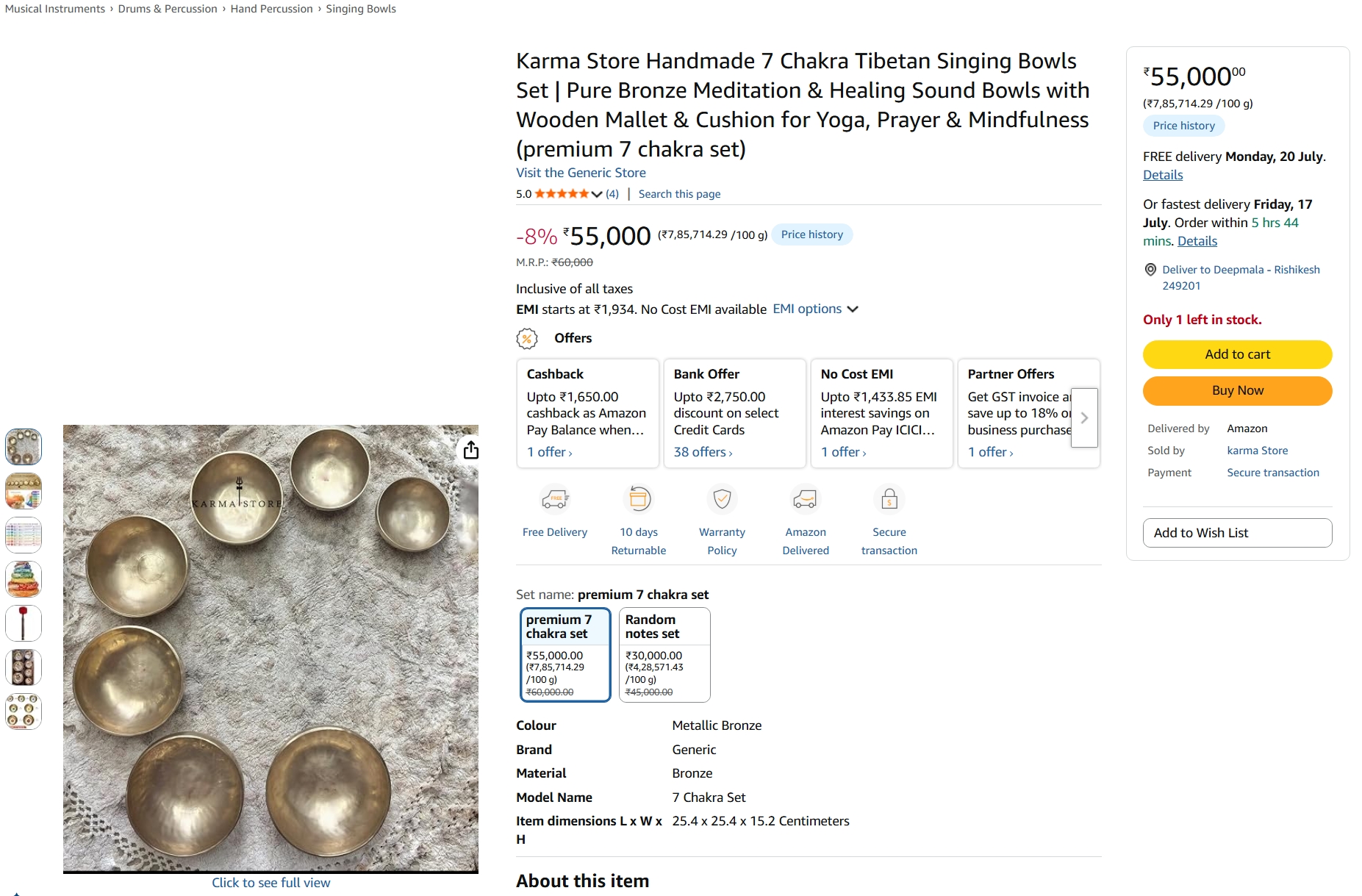
Buy from this link now to get 10% discount 👇
Introduction
Meditation Singing Bowls have become one of the most popular tools in the world of meditation, mindfulness, and holistic wellness. Their soothing vibrations and harmonious tones help calm the mind, reduce stress, improve concentration, and promote emotional balance.
Originating in the Himalayan region over a thousand years ago, these handcrafted bowls are now used by meditation teachers, yoga instructors, Ayurveda practitioners, Reiki healers, and wellness therapists across the world.
Whether you are a beginner or an experienced meditator, singing bowls can transform your meditation practice by helping your brain enter a deeply relaxed state.
What are Meditation Singing Bowls?
Meditation Singing Bowls, also known as Tibetan or Himalayan Singing Bowls, are metal bowls that produce beautiful resonant sounds when struck or rubbed with a wooden mallet.
Unlike ordinary musical instruments, singing bowls create continuous vibrations that influence both the body and mind.
The sound is not merely heard—it is also felt throughout the body as gentle vibrations.
History of Singing Bowls
The history of singing bowls dates back over 2,000 years.
Traditionally, they were handcrafted by artisans in:
- Tibet
- Nepal
- Bhutan
- Northern India
- Himalayan regions
Ancient monks used these bowls during:
- Buddhist meditation
- Spiritual ceremonies
- Prayer rituals
- Healing sessions
- Chanting practices
Today, sound therapists worldwide use singing bowls for relaxation and healing.
How Do Singing Bowls Work?
When struck or rubbed, the bowl vibrates and creates sound waves.
These vibrations interact with:
- Brain waves
- Nervous system
- Water molecules in the body
- Muscles
- Energy centers (chakras)
Since the human body is largely made of water, these gentle vibrations can be perceived throughout the body, helping many people feel deeply relaxed.
Scientific Benefits of Singing Bowl Meditation
Modern research suggests that sound meditation may support overall well-being.
Some reported benefits include:
1. Reduces Stress
Sound vibrations calm the nervous system and may help lower stress levels.
2. Improves Sleep
People who practice sound meditation often report deeper and more restful sleep.
3. Decreases Anxiety
Listening to harmonious frequencies can encourage relaxation and reduce anxious thoughts.
4. Improves Focus
The sustained tone of the bowl helps quiet mental chatter and improve concentration.
5. Lowers Blood Pressure
Relaxation techniques, including sound meditation, may contribute to healthier blood pressure when combined with a healthy lifestyle.
6. Supports Emotional Healing
Many practitioners experience emotional release during sound healing sessions.
7. Enhances Mindfulness
The continuous tone naturally brings attention to the present moment.
How Singing Bowls Affect the Brain
During meditation, the brain gradually shifts from active thinking toward calmer patterns.
Meditation with singing bowls is associated with brain states linked to relaxation and focused awareness, such as alpha and theta activity.
Many practitioners describe feeling mentally refreshed after a session.
Chakra Healing with Singing Bowls


Root Chakra
Grounding and stability.
Sacral Chakra
Creativity and emotions.
Solar Plexus Chakra
Confidence and personal power.
Heart Chakra
Love and compassion.
Throat Chakra
Communication.
Third Eye Chakra
Intuition.
Crown Chakra
Spiritual awareness.
While many people find chakra meditation meaningful, chakra systems are spiritual traditions rather than concepts established by mainstream medical science.
How to Use a Singing Bowl
Step 1
Sit comfortably in a quiet place.
Step 2
Place the bowl on your palm or a cushion.
Step 3
Take three deep breaths.
Step 4
Strike the bowl gently.
Step 5
Slowly rotate the wooden mallet around the rim.
Step 6
Listen carefully.
Step 7
Allow your breathing to synchronize with the sound.
Practice for 10–20 minutes daily.
Best Time to Practice
Morning:
- Fresh mind
- Better concentration
Evening:
- Stress relief
- Better sleep
Before Yoga:
- Mental preparation
Before Bed:
- Deep relaxation
Singing Bowl Meditation Routine
Minute 1–2: Deep breathing
Minute 3–5: Strike bowl gently
Minute 6–10: Circular playing
Minute 11–15: Silent meditation
Minute 16–20: Gratitude and relaxation
Types of Singing Bowls
Tibetan Singing Bowls
Traditional hand-hammered metal bowls.
Crystal Singing Bowls
Made from quartz crystal and known for clear, sustained tones.
Machine-made Bowls
More affordable and consistent in shape.
Handmade Bowls
Each bowl has a unique sound and character.
Choosing the Right Singing Bowl
Consider:
- Size
- Weight
- Tone
- Sustain
- Handcrafted quality
- Comfortable mallet
- Pleasant sound
Always choose a bowl whose sound feels calming to you.
Who Can Benefit?
- Meditation practitioners
- Yoga teachers
- Ayurveda therapists
- Reiki practitioners
- Wellness coaches
- Students
- Office professionals
- Seniors
- Anyone seeking relaxation
Sound Healing Session
A typical session includes:
- Comfortable positioning
- Guided breathing
- Playing multiple bowls
- Silent relaxation
- Reflection
Sessions often last 30–60 minutes.
Common Mistakes
- Hitting the bowl too hard
- Rubbing too fast
- Practicing in a noisy environment
- Expecting immediate dramatic results
- Skipping regular practice
Consistency is more important than intensity.
Caring for Your Singing Bowl
- Keep it dry.
- Clean with a soft cloth.
- Store safely.
- Avoid dropping it.
- Keep the mallet clean.
Frequently Asked Questions
Can beginners use singing bowls?
Yes. They are easy to learn with regular practice.
How long should I meditate?
Start with 10 minutes and gradually increase to 20–30 minutes.
Do singing bowls heal diseases?
Singing bowls can promote relaxation and emotional well-being, but they are not a replacement for medical diagnosis or treatment.
Can children use singing bowls?
Yes, under adult supervision, for short and gentle meditation sessions.
Can I use singing bowls every day?
Yes. Daily practice is common and may help build a consistent meditation habit.
Conclusion
Meditation Singing Bowls offer a beautiful way to slow down, reconnect with yourself, and cultivate inner peace. Their calming sounds and vibrations can complement meditation, yoga, mindfulness, and relaxation practices. While they are not a substitute for medical care, they can be a valuable part of a holistic wellness routine.
Whether your goal is stress reduction, improved focus, better sleep, or simply creating a peaceful space, a few minutes of singing bowl meditation each day can become a meaningful self-care ritual.