
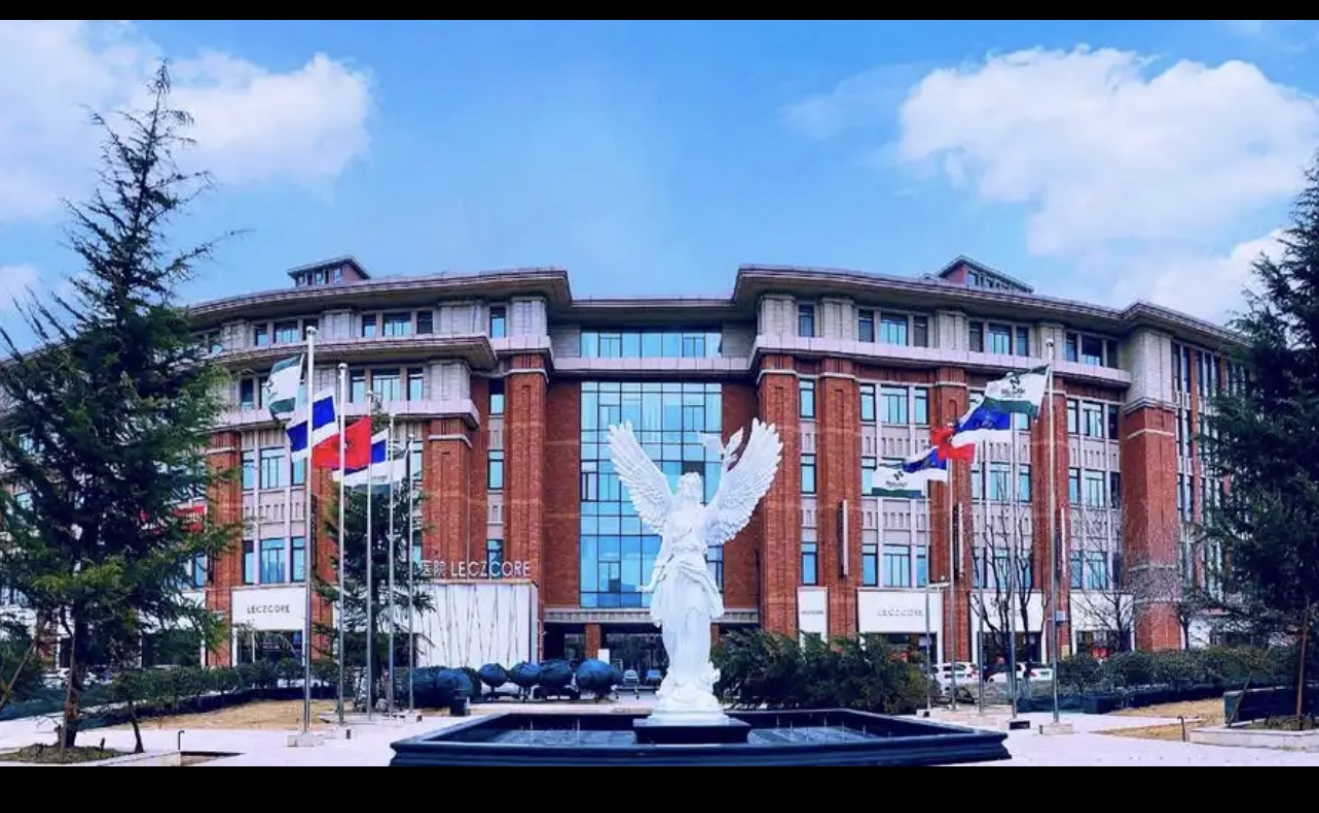
LECZCORE Tianjin General Hospital: A Detailed Guide to Its Healthcare Philosophy, Services and Modern Medical Approach
Introduction
China’s healthcare landscape has been developing rapidly, with increasing attention not only to the treatment of disease but also to preventive healthcare, early detection, personalized health management and long-term wellness.
Within this changing healthcare environment, LECZCORE (丽滋卡尔) has developed a medical and wellness-oriented model that brings together health screening, preventive medicine, medical consultation, precision-oriented assessment and personalized health management.
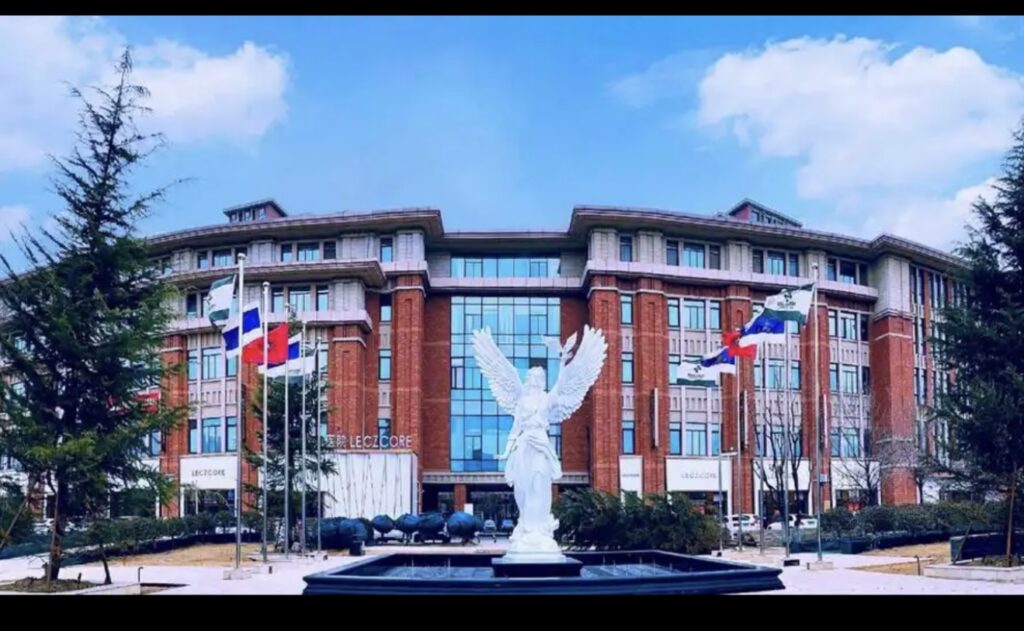
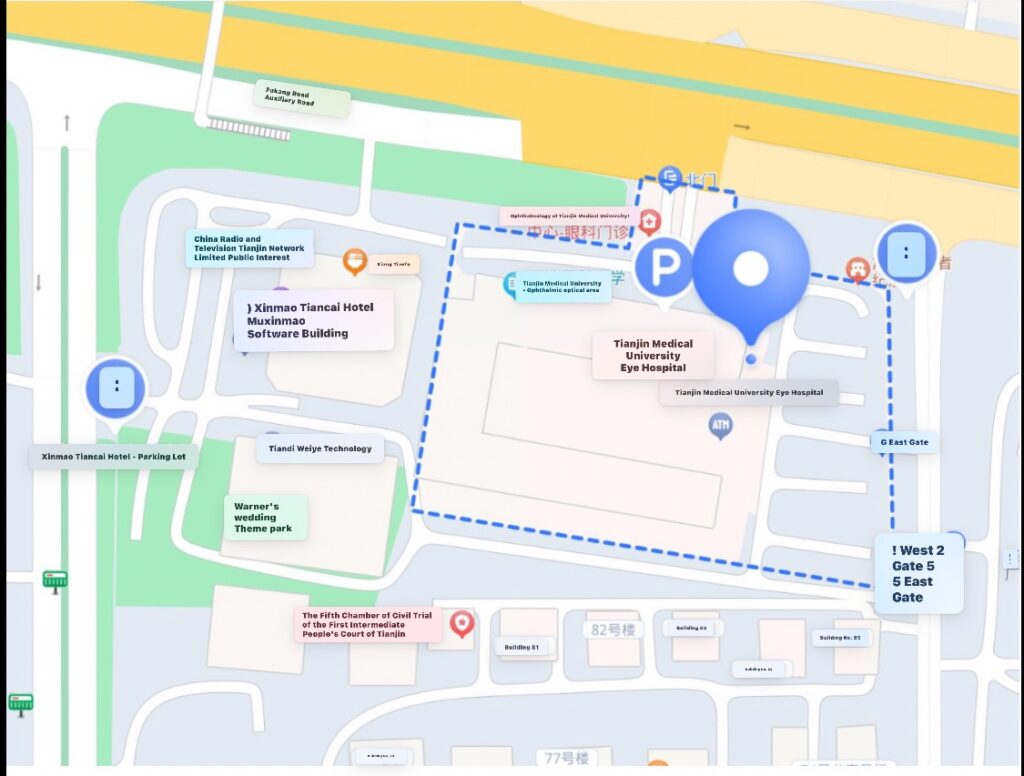
The LECZCORE Group operates medical institutions in different parts of China. One of its important locations is the LECZCORE Tianjin General Hospital, situated in Tianjin’s Hedong District along Haihe East Road. According to LECZCORE’s official website, the Tianjin hospital is located at No. 2050 and 2051, Haihe East Road, Hedong District, Tianjin, China.
The Tianjin institution is particularly interesting because its model goes beyond the conventional idea of visiting a hospital only after symptoms appear. Its publicly described areas include health examination, health management and a range of preventive and specialized medical services.
This article takes a detailed look at LECZCORE Tianjin General Hospital, its background, healthcare philosophy, publicly available services, medical positioning and the broader LECZCORE healthcare system.
Important note: Medical services, departments, technologies and treatment availability can change over time. This article is intended for informational purposes and should not replace professional medical advice or an individual consultation.
1. What Is LECZCORE?
LECZCORE (丽滋卡尔) is a Chinese medical and healthcare group whose publicly presented model combines medical services with preventive healthcare and personalized health management.
The organization’s official website identifies three locations:
- LECZCORE Tianjin General Hospital
- LECZCORE Hainan Mellsser Hospital
- LECZCORE Chongqing Branch
The official website lists separate contact information and addresses for these locations.
This multi-location structure is important because each institution should be understood according to its own publicly documented services rather than assuming that every service available at one branch is automatically available at another.
For this reason, the Tianjin hospital will be the primary focus of this article.
2. LECZCORE Tianjin General Hospital
LECZCORE Tianjin General Hospital is located in Hedong District, Tianjin, along the Haihe River area.
The official LECZCORE website currently lists its address as:
No. 2050 and 2051, Haihe East Road, Hedong District, Tianjin, China.
The hospital’s official contact information currently lists:
Tianjin General Hospital:
022-60155727 / 15900372703
The official website states that the Tianjin location is available from Friday to Wednesday, 8:30 AM to 4:30 PM.
The location itself places the hospital within an important urban part of Tianjin, one of China’s major northern cities.
3. A Different Concept of Healthcare
One of the most interesting aspects of LECZCORE’s publicly described healthcare model is its emphasis on prevention and health management.
Traditional healthcare is often thought of as a simple sequence:
Symptoms → Diagnosis → Treatment
A preventive and health-management-oriented model attempts to expand this approach:
Risk assessment → Screening → Early detection → Personalized management → Intervention → Long-term monitoring
The difference is significant.
Instead of waiting until a person develops a serious condition, preventive healthcare attempts to identify potential risks earlier.
For example, a comprehensive health assessment may examine areas such as:
- General health status
- Cardiovascular risk
- Metabolic health
- Organ function
- Lifestyle-related risks
- Family-history-related risks
- Age-related health changes
- Potential disease indicators
However, screening should not be confused with diagnosis. A screening result that indicates a possible abnormality generally requires appropriate medical evaluation before any diagnosis or treatment decision is made.
4. Health Screening and Health Management
Publicly available information about the Tianjin hospital describes it as an institution combining customized health examination and health management.
A Chinese healthcare recruitment/profile source describing Tianjin LECZCORE states that the hospital focuses on areas including:
- Life and health maintenance
- Genetic testing
- Customized medical aesthetics
- Health management
- Imaging-related medical services
- Preventive medicine
- Chronic disease management
- Rehabilitation
- Health-management services
The same source describes the institution as having begun operations in August 2018 and reports a facility area of approximately 12,000 square meters.
Because this information comes from a third-party professional healthcare listing rather than the current official LECZCORE website, these historical and facility-specific details should be treated as reported information, rather than as an independently verified current specification.
5. Why Preventive Healthcare Matters
Preventive healthcare is becoming increasingly important as people live longer and lifestyle-related health risks become more common.
Conditions such as:
- cardiovascular disease,
- diabetes,
- obesity,
- hypertension,
- metabolic disorders,
- certain cancers,
- and chronic inflammatory conditions
can develop gradually.
In many cases, a person may feel relatively healthy while underlying risk factors are already developing.
This is one reason health screening can be valuable.
However, good preventive healthcare is not simply about performing as many tests as possible.
The real value comes from answering three questions:
1. What should be tested?
The appropriate tests depend on age, sex, symptoms, family history, lifestyle and individual risk factors.
2. What do the results mean?
An abnormal laboratory or imaging result does not automatically mean that a person has a disease.
3. What should happen next?
A useful healthcare system should connect screening results with appropriate medical consultation, follow-up and, when necessary, treatment.
This is where the concept of personalized health management becomes important.
6. LECZCORE’s Four Broad Healthcare Themes
Public information describing the Tianjin institution highlights four major areas:
6.1 Life and Health Maintenance
The concept of life and health maintenance focuses on protecting health before serious disease develops.
This can include regular health assessments, lifestyle management and monitoring of potential risks.
The philosophy is relatively straightforward:
Don’t wait for the body to force you to pay attention to your health.
Regular monitoring can help people understand changes in their health over time.
6.2 Genetic Testing
Genetic testing is another area associated with LECZCORE’s publicly described healthcare model.
Modern medicine increasingly uses genetic information to understand:
- inherited disease risks,
- certain cancer risks,
- drug-response variations,
- and biological differences between individuals.
But genetic testing needs careful interpretation.
A genetic variant does not necessarily mean that a person will develop a particular disease.
Therefore, genetic testing should ideally be combined with appropriate medical consultation and, when necessary, genetic counseling.
6.3 Medical Aesthetics
LECZCORE’s publicly available Tianjin profile also identifies medical aesthetics as one of its areas.
Medical aesthetics is different from ordinary beauty services because procedures can involve medical assessment, devices, medications or interventions.
Therefore, appropriate medical evaluation, qualified professionals, informed consent and proper follow-up are important components of responsible aesthetic healthcare.
6.4 Health Management
Health management is perhaps the most important connecting concept.
Rather than looking at one isolated laboratory value or one symptom, health management attempts to consider the individual more comprehensively.
For example:
Lifestyle + Medical History + Screening + Risk Factors + Current Health Status + Follow-up
can provide a more meaningful picture than a single test.
7. Departments and Specialized Areas Reported for the Tianjin Hospital
A publicly available professional healthcare profile for Tianjin LECZCORE lists a broad range of departments and specialist positions.
These include areas such as:
- Orthopedics
- Cardiology
- Endocrinology
- Gastroenterology
- Oncology/immunotherapy
- Reproductive and anti-aging medicine
- Psychiatry and psychology
- Ophthalmology
- ENT
- Dentistry
- Pharmacy
- Laboratory services
- Nursing
- Medical administration
- Rehabilitation
- Health management
The same listing also contains recruitment information for specialist and management positions, including a hospital president, medical department leadership, cardiology leadership, endocrinology, gastroenterology, oncology immunotherapy and reproductive/anti-aging medicine.
Because staffing changes over time, individual doctor names, job titles and department availability should be verified directly with the hospital before publication or use for patient referrals.
8. The Importance of Oncology and Cancer Prevention
Cancer prevention and early detection are particularly important components of modern preventive medicine.
The Tianjin LECZCORE profile publicly references a tumor precision prevention center and oncology-related medical positions, including a physician role associated with tumor immunology.
This is an area where it is especially important to use precise language.
Cancer screening is not the same thing as cancer treatment.
Screening attempts to identify cancer or precancerous changes at an earlier stage in appropriate populations.
Diagnosis requires appropriate clinical evaluation and, depending on the suspected cancer, laboratory, imaging and pathological assessment.
Treatment may involve surgery, radiation therapy, systemic medication, immunotherapy or other approaches depending on the specific cancer and its stage.
Therefore, when discussing LECZCORE’s oncology-related services, the article should distinguish between:
prevention → screening → diagnosis → treatment → follow-up
rather than presenting them as one single service.
9. LECZCORE and Mayo Clinic: An Important Clarification
This is one of the most important points for the complete LECZCORE article.
LECZCORE does have a documented relationship with Mayo Clinic, but the official announcement specifically concerns LECZCORE Hainan Mellsser Hospital, not the Tianjin General Hospital.
On July 18, 2025, Mayo Clinic announced that LECZCORE Hainan Mellsser Hospital became a member of the Mayo Clinic Care Network.
Mayo Clinic’s own current network-member listing also identifies Leczcore Hainan Mellsser Hospital in China as a Mayo Clinic Care Network member.
The relationship gives the Hainan hospital access to Mayo Clinic clinical knowledge and tools, including resources such as AskMayoExpert and eConsults, along with opportunities for collaboration around clinical quality and complex cases.
This distinction is extremely important.
Therefore, in this Tianjin article we should NOT write:
“LECZCORE Tianjin is a Mayo Clinic hospital.”
That would be inaccurate based on the sources currently available.
Instead, we can accurately explain:
“LECZCORE Group’s Hainan Mellsser Hospital is a member of the Mayo Clinic Care Network.”
This gives the reader the correct picture of the relationship without overstating it.
10. What Does Mayo Clinic Care Network Membership Mean?
Mayo Clinic explains that Care Network members remain independent organizations while gaining access to Mayo Clinic knowledge, expertise and selected clinical resources.
According to Mayo Clinic’s announcement, the relationship can support:
- Clinical knowledge sharing
- Physician access to clinical tools
- eConsults
- Quality improvement
- Patient safety initiatives
- Nursing development
- Patient education
- Complex-case pathways and referrals where appropriate
The Hainan hospital’s announcement specifically connected the relationship with areas including oncology screening, executive health and chronic disease management.
This is very different from saying that LECZCORE is owned by Mayo Clinic or that all LECZCORE branches are Mayo Clinic hospitals.
The distinction matters, especially in a professional healthcare article.
11. Why Tianjin Is an Important Medical City
Tianjin itself has a significant medical and research ecosystem.
The city is home to major medical institutions, universities and specialist hospitals.
It also has a notable history in oncology. For example, the Tianjin Medical University Cancer Institute and Hospital traces its dedicated oncology department to 1952, when China established one of its earliest dedicated oncology departments there.
This broader medical environment makes Tianjin an interesting location for a healthcare organization emphasizing preventive medicine, health screening and specialized medical services.
LECZCORE’s Tianjin hospital therefore exists within a city that has a long-standing medical and scientific infrastructure.
12. The LECZCORE Philosophy: From Treatment to Prevention
The modern healthcare conversation is gradually moving toward a broader question:
How can we maintain health before disease becomes advanced?
This does not mean that preventive healthcare replaces conventional medicine.
Instead, the two approaches can complement one another.
A person may use preventive healthcare to identify risk factors early, while conventional medical care remains essential for diagnosis and treatment when disease is present.
A comprehensive healthcare journey may therefore look like:
Health Assessment
↓
Risk Identification
↓
Specialist Consultation
↓
Further Diagnostic Testing When Necessary
↓
Personalized Medical/Health Plan
↓
Follow-up
↓
Long-Term Health Management
This approach places greater emphasis on continuity rather than a single hospital visit.
13. What Makes a Personalized Health Program Different?
A personalized health program should not simply mean giving every person a larger package of tests.
The idea of personalization is that medical decisions are adapted to the individual.
For example, two people of the same age may have completely different health profiles.
One may have:
- a strong family history of cardiovascular disease,
- high blood pressure,
- sedentary lifestyle,
- and abnormal lipid levels.
Another may have:
- no major family history,
- regular exercise,
- normal blood pressure,
- but gastrointestinal symptoms requiring evaluation.
Their health assessments should therefore not necessarily be identical.
Personalized healthcare attempts to take these differences into account.
14. Health Management for the Long Term
One of the biggest challenges in healthcare is not simply identifying a problem.
It is maintaining the improvement.
For example, a person may discover elevated blood pressure during a health check.
Finding the abnormality is only the first step.
The next steps could include:
Confirmation → Medical evaluation → Lifestyle changes → Medication if appropriate → Monitoring → Follow-up
The same principle applies to metabolic health, cardiovascular risk, weight management and many chronic conditions.
This is why long-term health management can be more meaningful than a single annual check-up.
15. LECZCORE Tianjin: A Healthcare Model Worth Understanding
LECZCORE Tianjin General Hospital represents a healthcare model that places significant emphasis on:
Preventive healthcare
Health screening
Health management
Personalized assessment
Specialized medical services
Long-term wellness
Its publicly available information also indicates a broad range of medical and health-management functions.
At the same time, responsible healthcare communication requires separating verified institutional information from marketing claims and avoiding assumptions about individual treatment outcomes.
For patients and international readers, this distinction is particularly important.
A hospital’s services, technology, physicians and treatment options should always be confirmed directly before making a medical decision.
16. What We Will Cover Next in This LECZCORE Tianjin Article
To make this article genuinely useful rather than simply promotional, the next sections will go much deeper into the Tianjin hospital.
We will cover:
Part 2 — Hospital Background and Development
- When the Tianjin institution began operating
- Its development
- Facility information
- Location
- Healthcare positioning
Part 3 — Departments and Medical Services
- Health screening
- Imaging
- Laboratory services
- Cardiology
- Gastroenterology
- Endocrinology
- Oncology-related services
- Orthopedics
- ENT
- Dentistry
- Rehabilitation
- Women’s/reproductive health
- Psychological services
- Other publicly documented departments
Part 4 — Doctors and Medical Team
- Publicly available doctors
- Specialist roles
- Medical leadership
- Management structure
- Which information can be independently verified
Part 5 — Advanced Testing and Technology
- Imaging
- Genetic testing
- Precision-oriented assessment
- Laboratory testing
- Preventive screening
Part 6 — Cancer Prevention and Oncology
- What LECZCORE publicly claims
- Screening vs diagnosis
- Tumor prevention
- Immunotherapy-related services
- What should and should not be claimed
Part 7 — Executive Health & High-End Health Management
Part 8 — International Patients
- Why international patients may consider Tianjin
- Consultation
- Medical records
- Translation
- Follow-up
- Practical considerations
Part 9 — Tianjin vs Hainan LECZCORE
A dedicated comparison will explain why the Tianjin General Hospital and Hainan Mellsser Hospital should not be treated as identical institutions.
Part 10 — LECZCORE and Mayo Clinic
We will explain the documented Mayo Clinic Care Network relationship accurately, without exaggeration.
Part 11 — Final Review
A balanced conclusion covering:
Who may benefit from this type of healthcare model, what patients should verify, and what questions they should ask before choosing a medical program.
Conclusion
LECZCORE Tianjin General Hospital is part of a broader healthcare model centered on preventive medicine, health assessment and personalized health management.
Its Tianjin location, publicly listed at Haihe East Road in Hedong District, provides a range of healthcare and health-management services according to available public information.
The institution is particularly relevant to the growing movement toward healthcare that focuses not only on treating illness after it appears, but also on understanding health risks, detecting potential problems earlier and supporting long-term health management.
At the same time, accurate medical journalism requires careful distinction between verified facts, institutional descriptions and claims that require direct confirmation.
That principle will guide the remainder of this article.
LECZCORE Tianjin is not simply a name on a hospital building—it is a useful case study in how preventive, personalized and health-management-oriented healthcare is developing in modern China.