
Introduction
Your body has a built-in clock known as the circadian rhythm, regulating sleep, energy, digestion, hormone release, and mood. When this rhythm is synchronized with natural cycles, you experience better sleep, improved metabolism, enhanced mental clarity, and overall wellness.
Chronomedicine, a modern medical field, studies how treatment timing affects effectiveness, side effects, and recovery. Combining chronomedicine with Ayurvedic wisdom, such as using herbs and lifestyle strategies, can naturally optimize your health.
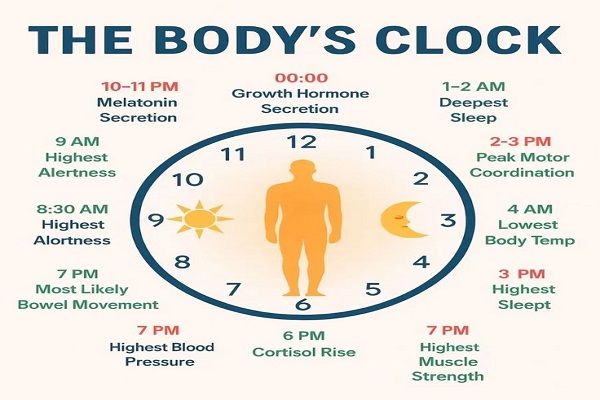
1. What is Circadian Rhythm?
The circadian rhythm is a 24-hour internal clock influencing almost every biological process. Key functions include:
- Sleep-wake cycles: Determines when you feel sleepy or alert
- Hormone secretion: Cortisol peaks in the morning, melatonin at night
- Digestion & metabolism: Gut activity and appetite fluctuate naturally
- Body temperature: Rises during the day and drops at night
Disruption of this rhythm—due to shift work, jet lag, or screen overuse—can lead to insomnia, fatigue, mood disorders, and metabolic issues.
2. Chronomedicine: Timing Treatments for Better Results
Chronomedicine is the science of timing medical treatments to align with your body’s natural cycles.
Benefits include:
- Increased drug efficacy
- Reduced side effects
- Enhanced recovery and energy
Examples:
- Blood pressure medications in the evening
- Chemotherapy timed to circadian patterns
- Supplements taken at peak absorption times
3. Lifestyle Strategies to Support Circadian Rhythm
Aligning daily routines with your natural clock improves health significantly.
Morning Habits:
- Wake up at the same time every day
- Exposure to natural sunlight
- Light stretching or exercise
Daytime Habits:
- Balanced meals at regular intervals
- Short breaks for stress relief
- Avoid excessive caffeine after noon
Evening Habits:
- Avoid bright screens 1–2 hours before bed
- Calm activities like reading or meditation
- Use calming herbs (Chamomile, Brahmi, Ashwagandha)
4. Ayurvedic Perspective on Circadian Rhythm
Ayurveda emphasizes Dinacharya (daily routine) aligned with natural rhythms.
- Pratahkal (morning): Tongue scraping, warm water, light exercise
- Madhyahana (midday): Heavier meals when Agni (digestive fire) is strongest
- Sandhya (evening): Light meals, relaxation, and early sleep
Herbs supporting circadian health:
- Ashwagandha: Stress reduction, sleep improvement
- Brahmi & Shankhpushpi: Cognitive clarity, calm mind
- Turmeric & Ginger: Digestive support
5. Foods to Support Circadian Health
- High-fiber breakfast: Oats, fruits, and nuts for steady energy
- Fermented foods: Yogurt, Kanji, or pickles for gut-microbiome support
- Balanced dinner: Lighter meals with easy-to-digest vegetables
6. Common FAQs
Q1: How does circadian rhythm affect mental health?
A1: Disrupted rhythms increase anxiety, stress, and cognitive fatigue. Aligning routines improves mood, focus, and sleep quality.
Q2: Can Ayurvedic herbs really help regulate circadian rhythm?
A2: Yes! Herbs like Ashwagandha and Brahmi reduce stress and support hormonal balance, improving sleep and energy patterns.
Q3: What is the difference between chronomedicine and regular medicine?
A3: Chronomedicine focuses on timing treatments for maximum effectiveness, while traditional medicine may not consider the body’s biological cycles.
7. Conclusion
Your circadian rhythm is a master regulator of health. By integrating modern chronomedicine and Ayurveda, you can optimize sleep, digestion, energy, and mental clarity. Aligning lifestyle, diet, and treatments with your body’s natural clock ensures long-term wellness and vitality.