
Fibermaxxing: Is Eating More Fiber Really Good for Your Gut?
If you spend time on social media looking at health and wellness content, you may have noticed a new nutrition trend called fibermaxxing.
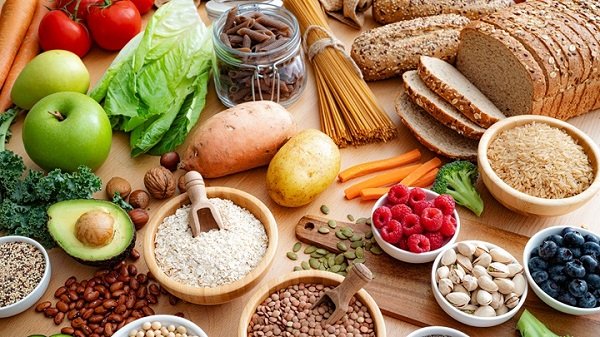
From chia seeds and oats to lentils, beans, berries and vegetables, fiber-rich foods are suddenly everywhere. People are adding extra fiber to smoothies, breakfast bowls and everyday meals in an effort to improve digestion, support gut health and sometimes manage their weight.
But there is an important question behind the trend:
Is eating as much fiber as possible actually good for you?
The answer is more nuanced than social media often suggests.
Dietary fiber is an important part of a healthy eating pattern, and many people do not consume enough of it. However, more is not automatically better. Increasing fiber gradually, choosing a variety of whole foods and staying adequately hydrated is generally a smarter approach than trying to reach an extreme number.
So, let’s take a closer look at fibermaxxing, its potential benefits and risks, and how to make this trend work for your health.
What Is Fibermaxxing?
Fibermaxxing is a social-media wellness trend focused on deliberately increasing dietary fiber intake.
The idea itself isn’t new. Nutrition experts have recommended eating fiber-rich foods for decades. What is new is the catchy “-maxxing” label, which encourages people to optimize or maximize a particular aspect of their diet.
Typical fibermaxxing foods include:
-
Oats
-
Lentils
-
Beans and chickpeas
-
Fruits
-
Vegetables
-
Whole grains
-
Chia seeds
-
Flaxseeds
-
Nuts and seeds
The trend has gained attention partly because fiber is associated with digestion, bowel regularity, fullness and overall dietary quality.
But you don’t need to “max out” your fiber intake to benefit from it.
The goal should be adequate fiber—not extreme fiber.
Why Is Fiber Important for Gut Health?
Your digestive system is home to a complex community of microorganisms known as the gut microbiome.
Some dietary fibers pass through the upper digestive tract without being completely digested. Once they reach the colon, certain types can be fermented by gut bacteria.
This interaction between dietary fiber and gut microorganisms is one reason fiber has become such an important topic in discussions about gut health.
A varied diet containing plant foods provides different types of fiber that can support normal digestive function and contribute to a diverse eating pattern.
However, gut health is influenced by much more than fiber alone. Sleep, physical activity, stress, hydration, overall diet and individual health also matter.
What Are the Benefits of Eating Enough Fiber?
1. It Supports Regular Digestion
One of fiber’s best-known roles is supporting normal bowel movements.
Fiber can add bulk to stool, while adequate fluid intake helps keep the digestive process moving normally.
For people whose diets are low in fiber, gradually increasing fiber-rich foods may help support regularity.
2. It Can Help You Feel Fuller
Many high-fiber foods take longer to chew and digest. They can therefore contribute to feelings of fullness.
This may make fiber-rich foods useful as part of a balanced approach to weight management.
However, fiber itself isn’t a magic weight-loss solution. Your overall eating pattern, physical activity, sleep and many individual factors all influence body weight.
3. It Supports a Heart-Healthy Diet
Foods naturally rich in fiber—such as whole grains, vegetables, fruits, beans, nuts and seeds—are commonly included in heart-healthy dietary patterns.
Certain types of soluble fiber can also help support healthy cholesterol levels.
4. It Supports a Nutrient-Dense Diet
One of the biggest advantages of getting fiber from whole plant foods is that you are not getting fiber alone.
Fruits, vegetables, legumes, whole grains, nuts and seeds can also provide vitamins, minerals and other beneficial plant compounds.
This is one reason whole foods are generally a better foundation than relying heavily on fiber powders or processed “high-fiber” products.
How Much Fiber Do You Actually Need?
This is where the fibermaxxing trend can become misleading.
You don’t need to copy an influencer’s daily fiber target.
According to the National Institute of Diabetes and Digestive and Kidney Diseases, adults generally need around 22–34 grams of fiber per day, depending on age and sex. A commonly used general guideline is about 14 grams per 1,000 calories.
Your individual needs can vary.
If your current diet contains very little fiber, suddenly trying to consume 40, 50 or more grams every day may cause digestive discomfort rather than better health.
Think “enough and consistent,” rather than “as much as possible.”
Can Too Much Fiber Be Bad for You?
Yes.
Fiber is beneficial, but dramatically increasing your intake can cause problems, particularly if your body isn’t accustomed to it.
Possible symptoms include:
-
Gas
-
Bloating
-
Abdominal discomfort
-
Cramping
-
Changes in bowel movements
A sudden increase can be especially uncomfortable when someone starts eating large amounts of beans, chia seeds, bran, raw vegetables and fiber supplements all at once.
That’s why health professionals generally recommend increasing fiber gradually.
If you experience persistent or severe digestive symptoms, don’t assume that you simply need more fiber. It is better to discuss ongoing symptoms with a qualified healthcare professional.
How to Increase Fiber Without the Bloating
Want to try fibermaxxing in a healthier way?
Instead of making a dramatic change overnight, try these simple steps.
Start Slowly
Add one or two fiber-rich foods to your meals rather than changing your entire diet at once.
For example, start with fruit at breakfast and lentils or beans at lunch.
Drink Enough Fluids
Hydration is important when increasing dietary fiber. Adequate fluid intake helps fiber function properly in the digestive tract.
Choose Whole Foods
Build your diet around naturally fiber-rich foods rather than relying on supplements.
Increase Variety
Don’t get all your fiber from one food.
Rotate between fruits, vegetables, legumes, whole grains, nuts and seeds.
Variety makes your diet more enjoyable and provides a broader range of nutrients.
15 High-Fiber Foods to Add to Your Diet
You don’t need expensive “superfoods” to eat more fiber.
Many everyday foods are excellent choices:
-
Lentils
-
Chickpeas
-
Kidney beans
-
Black beans
-
Oats
-
Barley
-
Whole-wheat foods
-
Chia seeds
-
Flaxseeds
-
Apples with the skin
-
Pears
-
Berries
-
Green peas
-
Broccoli
-
Nuts and seeds
For an Indian diet, foods such as dal, chana, rajma, vegetables, whole grains and seasonal fruits can make it relatively easy to build fiber-rich meals without following complicated food trends.
A Simple High-Fiber Day
Here’s an easy example of how fiber-rich foods can fit into an everyday diet.
Breakfast: Oatmeal with fruit, chia seeds and nuts.
Lunch: Dal with vegetables and a whole-grain roti or other whole grain.
Snack: An apple or pear with a small handful of nuts.
Dinner: Chickpeas or beans with cooked vegetables and a whole grain.
The goal isn’t to create the highest-fiber menu possible.
The goal is to create a balanced pattern you can maintain comfortably.
Fibermaxxing From an Ayurvedic Perspective
As an Ayurveda and wellness practitioner, you may naturally wonder how this modern nutrition trend fits with Ayurvedic principles.
Ayurveda traditionally places considerable importance on digestion and individual tolerance to foods. Rather than assuming that one diet works perfectly for everyone, an individualized approach considers factors such as digestive capacity, food choices, routine and overall wellbeing.
This can provide a useful perspective when looking at fibermaxxing.
For example, suddenly consuming large amounts of raw vegetables, seeds or legumes may not feel comfortable for everyone. Some people may find certain cooked foods easier to tolerate.
Therefore, rather than simply asking:
“How can I eat more fiber?”
a more holistic question may be:
“How can I include an appropriate amount of fiber-rich foods in a way that supports my digestion and overall wellbeing?”
It’s also important to remember that traditional Ayurvedic concepts and modern clinical nutrition are different frameworks. Ayurveda should not be used as a substitute for medical diagnosis or treatment.
5 Fibermaxxing Mistakes to Avoid
1. Increasing Fiber Too Quickly
Give your digestive system time to adjust.
2. Forgetting Hydration
More fiber and inadequate fluids may contribute to digestive discomfort.
3. Relying Only on Supplements
Whole foods provide fiber together with other nutrients and beneficial plant compounds.
4. Copying Social Media Challenges
Your nutritional needs are not necessarily the same as someone else’s.
5. Believing More Fiber Means Better Health
A balanced diet is about overall quality, variety and appropriate amounts—not maximizing one nutrient.
Frequently Asked Questions About Fibermaxxing
Is fibermaxxing healthy?
Increasing fiber intake can be beneficial when your current diet is low in fiber. However, extreme fiber intake isn’t necessary. A gradual, balanced approach is more sensible.
Does fibermaxxing help with weight loss?
Fiber-rich foods can increase fullness and may support a healthy weight-management eating pattern. However, fiber alone does not cause weight loss.
How much fiber should I eat each day?
Many adults need approximately 22–34 grams per day, depending on age and sex. Individual needs can vary.
Can too much fiber cause bloating?
Yes. A sudden increase in fiber can cause gas, bloating, cramps or changes in bowel habits.
What are the best natural sources of fiber?
Fruits, vegetables, legumes, whole grains, nuts and seeds are excellent sources.
Should I take a fiber supplement?
Not necessarily. Many people can meet their fiber needs through a varied diet. Supplements may be appropriate in certain situations, but it’s best to discuss them with a healthcare professional if you have specific health needs.
The Bottom Line
Fibermaxxing may be a trendy new word, but the basic nutritional message behind it is simple:
Fiber matters.
Adding more fruits, vegetables, legumes, whole grains, nuts and seeds to your diet can be a positive step—especially if you currently eat very little fiber.
But you don’t need to turn healthy eating into a competition.
Don’t focus on consuming the maximum possible amount of fiber. Instead, aim for an appropriate amount, increase it gradually, drink enough fluids and choose a variety of whole foods.
Your gut doesn’t need the latest social-media challenge.
It needs consistency, variety and a balanced approach to nutrition.
Medical Disclaimer: This article is intended for general educational purposes only. It is not medical advice and should not be used to diagnose or treat any health condition. If you have persistent digestive symptoms, a chronic health condition or specific dietary requirements, consult a qualified healthcare professional.