
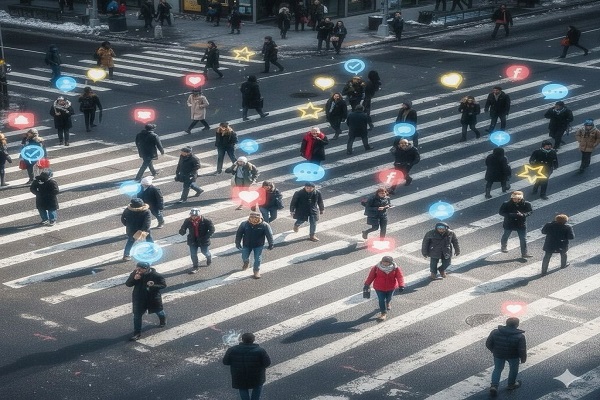
Social Media Distance: A Complete Digital Detox Guide for Better Mental Health
Introduction


Many people spend hours scrolling through feeds, watching videos, checking notifications, and comparing their lives with carefully curated online content. Over time, this constant exposure can contribute to stress, anxiety, distraction, and even sleep disturbances.
Taking intentional distance from social media does not mean abandoning technology completely. Instead, it means creating healthier boundaries and developing a more mindful relationship with digital platforms.
This article explores why social media distance matters, its benefits, and practical ways to practice a successful digital detox.
Why Social Media Can Become Overwhelming
Social media platforms are designed to capture attention. Endless scrolling, notifications, likes, comments, and algorithm-driven content can keep users engaged for long periods.
Common effects of excessive social media use include:
- Information overload
- Reduced attention span
- Increased anxiety
- Constant comparison with others
- Fear of missing out (FOMO)
- Reduced productivity
- Poor sleep quality
While occasional use may not be harmful, excessive use can create mental fatigue and emotional exhaustion.
Signs You May Need a Social Media Break
1. You Check Your Phone Constantly
If you automatically reach for your phone every few minutes, it may indicate an unhealthy habit.
2. Social Media Affects Your Mood
Feeling anxious, frustrated, jealous, or inadequate after scrolling can be a warning sign.
3. Difficulty Concentrating
Frequent interruptions from notifications can make it harder to focus on important tasks.
4. Sleep Problems
Using social media late at night may interfere with healthy sleep patterns.
5. Reduced Real-Life Connections
Spending excessive time online can sometimes reduce meaningful face-to-face interactions.
Benefits of Taking Distance from Social Media
Improved Mental Health
Reducing exposure to constant information and comparison can help lower stress levels.
Better Focus and Productivity
Without frequent digital distractions, it becomes easier to concentrate on work, studies, and personal goals.
Improved Sleep Quality
Limiting screen time before bed may support healthier sleep habits.
Greater Self-Awareness
A digital break creates space for reflection, creativity, and personal growth.
More Meaningful Relationships
Less screen time often leads to more quality time with family and friends.
Increased Mindfulness
Being present in the moment becomes easier when attention is not constantly pulled toward notifications.
The Connection Between Social Media and Stress
Many social media users experience stress due to:
- Constant news exposure
- Online arguments
- Comparison culture
- Pressure to appear successful
- Information overload
Over time, this can create a cycle of emotional exhaustion.
A temporary break often helps the mind reset and recover.
Social Media and Sleep


Blue light emitted by screens can affect the body’s natural sleep-wake cycle.
To improve sleep:
- Stop using social media at least one hour before bed.
- Read a book instead.
- Practice meditation.
- Listen to calming music.
- Create a relaxing nighttime routine.
How to Start a Digital Detox
Step 1: Track Your Screen Time
Most smartphones provide daily screen-time reports.
Awareness is the first step toward change.
Step 2: Turn Off Non-Essential Notifications
Constant alerts encourage unnecessary checking behavior.
Step 3: Create Phone-Free Zones
Examples:
- Dining table
- Bedroom
- Meditation space
- Family gatherings
Step 4: Schedule Social Media Time
Instead of checking throughout the day, allocate specific times for social media use.
Step 5: Replace Scrolling with Healthy Activities
Try:
- Reading
- Yoga
- Meditation
- Walking
- Journaling
- Learning a new skill
A Simple 7-Day Digital Detox Challenge
Day 1
Measure your daily screen time.
Day 2
Remove unnecessary apps.
Day 3
Disable non-essential notifications.
Day 4
Avoid social media for two hours before sleep.
Day 5
Spend one hour outdoors without your phone.
Day 6
Practice meditation for 20 minutes.
Day 7
Take a full-day social media break.
Social Media Distance and Mindfulness
Mindfulness means paying attention to the present moment.
When social media use becomes excessive, attention is constantly pulled in different directions.
Reducing digital distractions allows us to:
- Listen more deeply
- Think more clearly
- Connect more meaningfully
- Experience greater calmness
Ayurveda’s Perspective on Digital Overload


This may contribute to:
- Anxiety
- Restlessness
- Overthinking
- Insomnia
- Mental fatigue
Ayurveda recommends balancing digital activity with:
- Meditation
- Pranayama (breathing exercises)
- Nature walks
- Yoga
- Proper sleep
- Healthy eating habits
These practices help calm the mind and restore balance.
Building a Healthy Relationship with Social Media
The goal is not necessarily to quit social media forever.
Instead, aim to:
- Use it intentionally.
- Avoid mindless scrolling.
- Follow positive and educational content.
- Take regular breaks.
- Prioritize real-life experiences.
Technology should serve your life—not control it.
Conclusion
Social media is a powerful tool, but like any tool, it works best when used consciously and in moderation. Creating distance from social media can improve mental clarity, reduce stress, enhance productivity, strengthen relationships, and support overall well-being.
A digital detox does not require perfection. Even small changes, such as reducing screen time, turning off notifications, and spending more time offline, can have a meaningful impact.
Sometimes the most valuable connection is not found on a screen but within yourself and the world around you. 🌿📵✨