
1. Introduction
Summer is a season full of brightness and energy, but it also brings the risk of heat stroke, dehydration, and fatigue. High temperatures and prolonged sun exposure can overwhelm the body. Ayurveda offers natural, simple, and effective remedies to stay safe and energetic during the hot months.
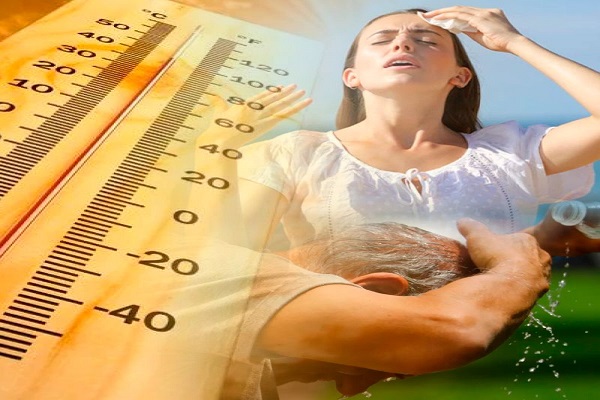
2. Understanding Heat Stroke
2.1 What is Heat Stroke?
Heat stroke occurs when the body fails to regulate its temperature, leading to dangerously high body heat. It can affect the nervous system and vital organs if not addressed promptly.
Symptoms:
- Dizziness or fainting
- High body temperature
- Rapid heartbeat
- Nausea or vomiting
- Confusion or irritability
- Red, hot, or dry skin
2.2 Causes of Heat Stroke
- Prolonged exposure to direct sunlight
- High humidity and temperature
- Dehydration
- Intense physical activity in heat
- Lack of natural cooling in the body
3. Ayurvedic Perspective on Heat Stroke
According to Ayurveda, heat-related conditions arise due to pitta imbalance, causing excess internal heat. Remedies focus on cooling the body, hydrating, and balancing pitta dosha.
Key Ayurvedic Principles:
- Use cooling herbs and foods
- Maintain hydration with natural drinks
- Avoid heavy, oily, or spicy meals
- Follow lifestyle practices like early morning activity and rest during peak heat
4. Ayurvedic Home Remedies
4.1 Aloe Vera Juice
- Coolant for body and skin
- Promotes hydration
- Supports healthy skin
Usage: 2–3 tablespoons daily mixed with water
4.2 Coconut Water
- Replenishes electrolytes
- Hydrates quickly
- Reduces fatigue
Usage: Drink 1–2 glasses per day
4.3 Coriander & Mint Drink
- Natural cooling effect
- Refreshes mind
Usage: Blend coriander and mint leaves with water and a pinch of salt
4.4 Triphala Powder
- Detoxifies and aids digestion
- Helps the body manage excess heat
Usage: 1 teaspoon in warm water at night
4.5 Rose Water & Sandalwood Paste
- Rose water cools face and neck
- Sandalwood paste calms skin
5. Daily Lifestyle Tips
5.1 Hydration
- Drink 2–3 liters of water daily
- Include herbal teas and fruit juices
5.2 Sun Exposure Management
- Avoid direct sun between 11 AM – 4 PM
- Use light clothing, hats, umbrellas
5.3 Diet for Summer
- Eat light meals: fruits, salads, khichdi
- Avoid oily, fried, or heavy foods
- Include cucumber, watermelon, mint, coconut
5.4 Activity Adjustments
- Morning/evening walks
- Light yoga for cooling
- Rest during peak heat hours
6. Foods and Herbs Supporting Cooling
| Food/Herb | Benefits | Usage Tips |
|---|---|---|
| Aloe Vera | Cools body, improves skin | Juice daily |
| Coconut Water | Hydration, electrolyte balance | Drink 1–2 glasses |
| Mint | Cooling, refreshing | Add to water, tea, salads |
| Coriander | Reduces heat, aids digestion | Add to juice or meals |
| Fennel | Digestive aid, cooling | Chew seeds or make tea |
| Rose Petals | Cooling & soothing | Add to drinks |
| Sandalwood | Skin cooling | Apply paste externally |
7. Yoga and Meditation
- Shitali Pranayama (Cooling Breath): Inhale through rolled tongue, exhale through nose
- Sheetkari Pranayama (Hissing Breath): Inhale through teeth, exhale through nose
- Gentle stretches and meditation for mind calmness and body cooling
8. FAQs
Q1: Can children and elderly benefit from these remedies?
A1: Yes, mild cooling herbs, hydration, and lifestyle practices are safe for all ages.
Q2: How quickly does aloe vera juice cool the body?
A2: Internal cooling starts within 30–60 minutes; daily use helps maintain balance.
Q3: Can heat stroke be prevented completely?
A3: With proper hydration, diet, sun exposure management, and Ayurvedic remedies, risks reduce significantly.
Q4: Are coconut water and mint safe for everyone?
A4: Generally yes, but avoid excess sugar if adding to drinks for diabetics.
9. Conclusion
Summer heat can be challenging, but Ayurveda provides simple, natural, and effective strategies to prevent heat stroke, maintain energy, and stay cool. Combining herbal remedies, hydration, diet, and lifestyle practices ensures safe, energetic summers.